


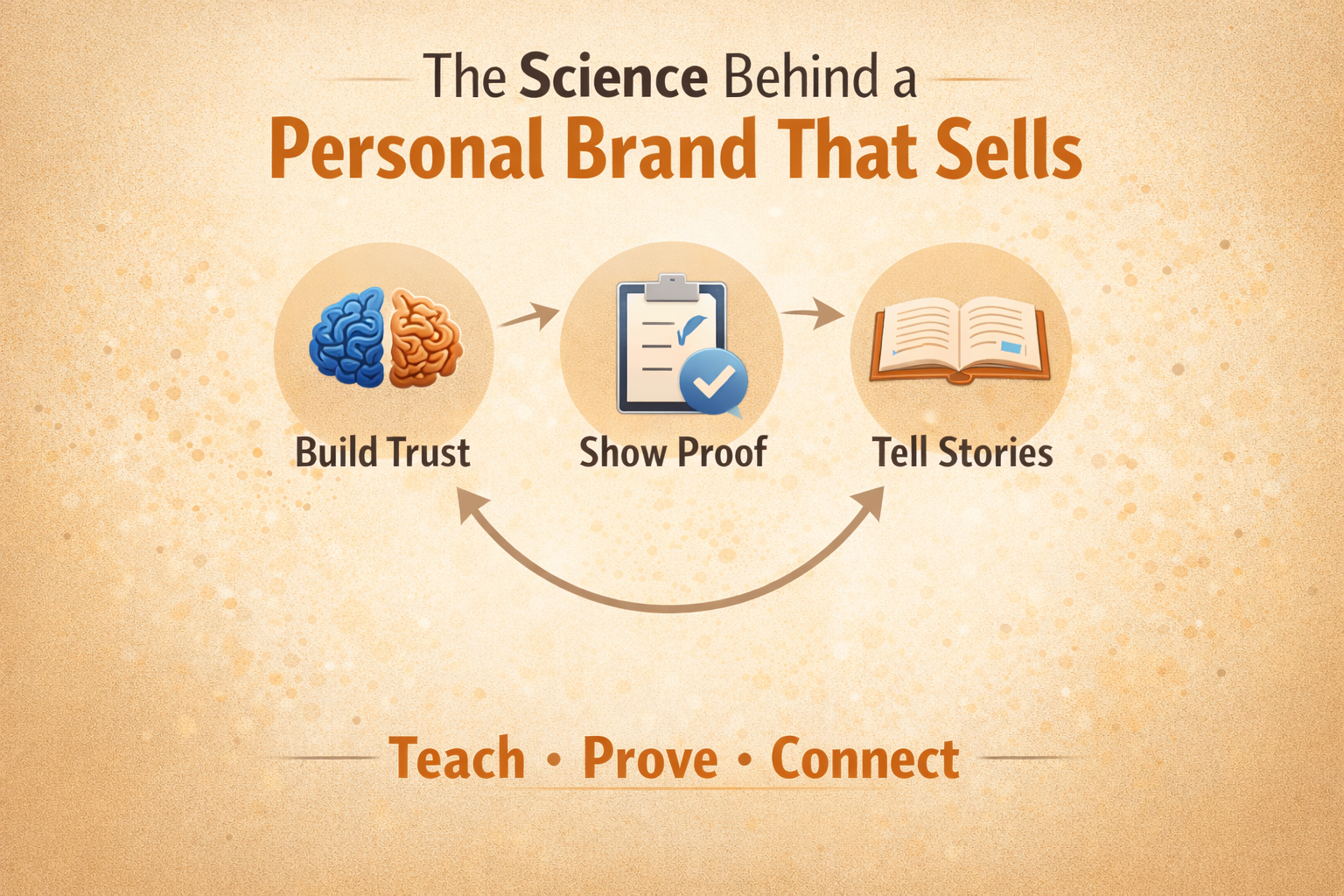
The Science Behind a Personal Brand That Sells
A personal brand is not just about being visible. It is about being valuable. It is the difference between being known and being known for something people want to buy, follow, or learn from.
Whether you are selling expertise, services, products, or simply your credibility as a leader, there is a repeatable, science backed formula behind a personal brand that converts attention into revenue and opportunity.
This article breaks down the psychology, strategies, and behavior patterns behind a personal brand that truly sells.
1. Why Personal Brands Sell The Psychology of Trust
Every sale whether a consulting contract, speaking gig, job offer, or partnership is driven by trust. And the science behind trust building is strong and clear.
Familiar / Credible / Relatable
These principles come from the Mere Exposure Effect and Social Proof Theory, two powerful drivers behind decision making.
What This Means for Your Personal Brand
If your brand is consistent and visible, your audience feels like they know you. When you share proof of results, stories, and insights, you build credibility. When you show personality, you build relatability.
A personal brand that sells is not a pitch. It is a relationship built over time.
2. Authority sells, but proof sells better.
Anyone can say they are an expert. A personal brand that sells shows it instead of saying it.
Ways to Demonstrate Authority
- Break down industry trends
- Share frameworks or practical how to steps
- Publish short case studies
- Explain lessons learned from real experience
- Share predictions and support them with evidence
Teaching always beats telling.
When you teach consistently, people start seeing you as a trusted authority. Trusted authorities do not need to push sales. Opportunity comes to them.
3. Stories Trigger Buying Behavior
People think in stories. Research from Stanford shows we remember stories far more than facts alone.
A personal brand that sells uses storytelling deliberately.
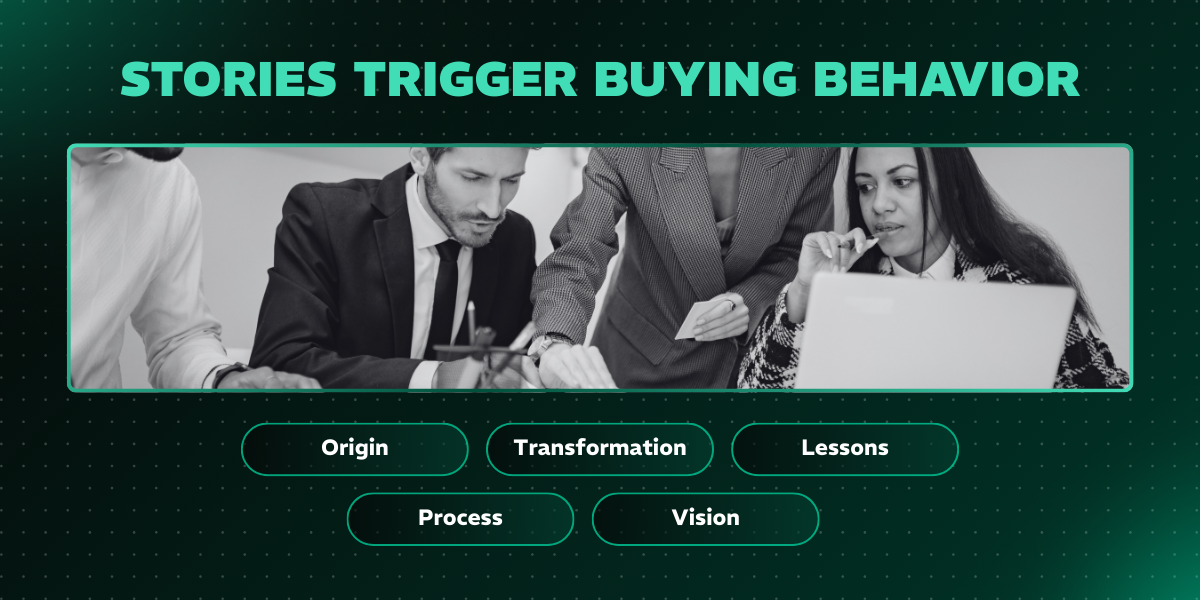
Types of Stories That Sell
- Origin stories that explain how you got where you are
- Client transformation stories
- Mistakes and lessons learned
- Behind the scenes stories that show your process
- Vision stories that communicate where you are going
People want to know why you care, what drives you, what problems you solve, and what transformation you create.
Stories activate emotion and emotion drives action.
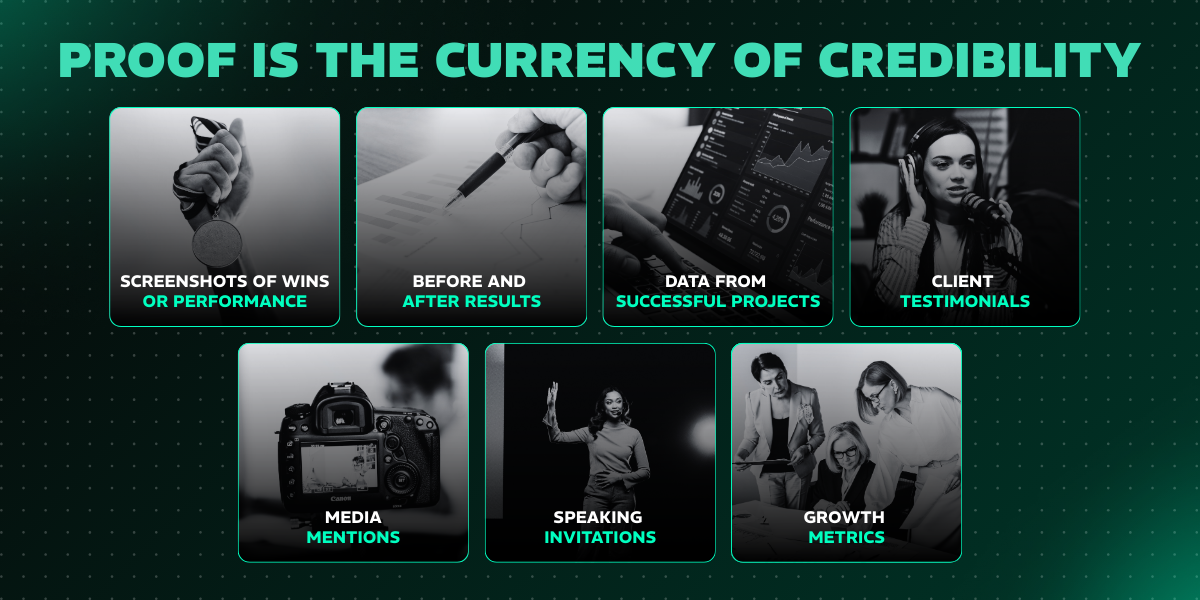
4. Proof Is the Currency of Credibility
Nothing sells faster than proof. A personal brand with results behind it becomes instantly more convincing.
The Nielsen Global Trust Study found
• 70% of people trust recommendations from people they follow online
• 66% trust customer opinions posted online
• 56% trust experts who publish useful content
What Proof Looks Like
- Screenshots of wins or performance
- Before and after results
- Data from successful projects
- Client testimonials
- Media mentions
- Speaking invitations
- Growth metrics
This is not bragging. This is demonstrating value.
5. Consistency The Secret Sales Engine Most People Ignore
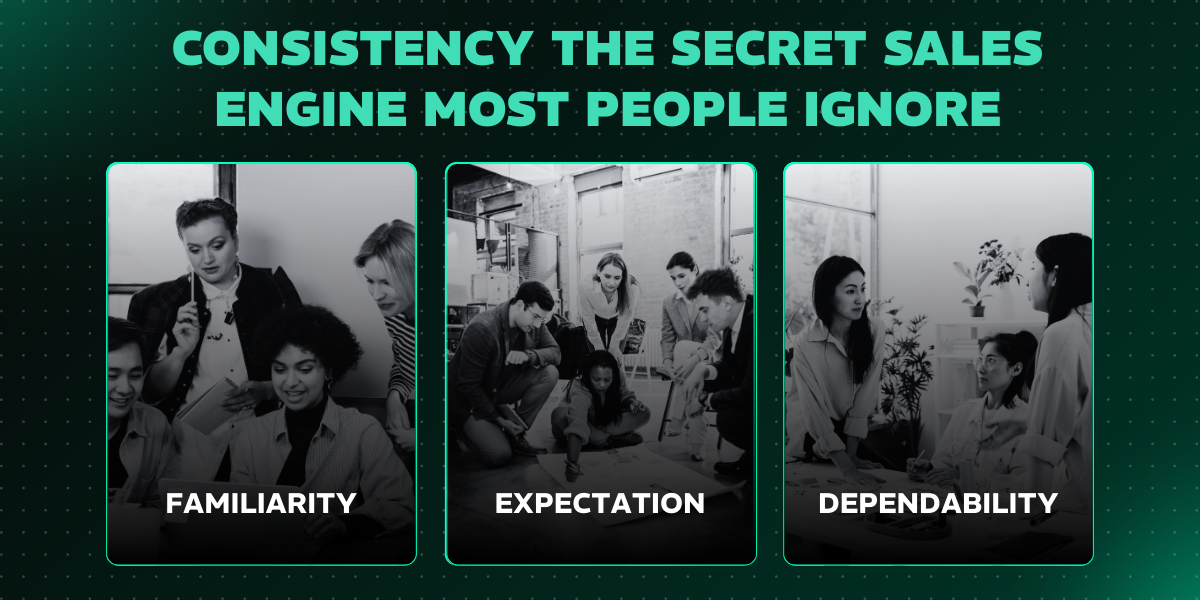
You cannot build familiarity or trust without consistency.
Consistency does not mean posting nonstop. It means showing up predictably.
Consistency Creates Three Things
- Familiarity people recognize your name
- Expectation people know what you share or provide
- Dependability people trust what you say
A strong personal brand is not built by going viral. It is built by showing up regularly with value that compounds over time.
Your audience will trust you, when they can find you.
6. The Right Content Mix Teach Tell Show Sell
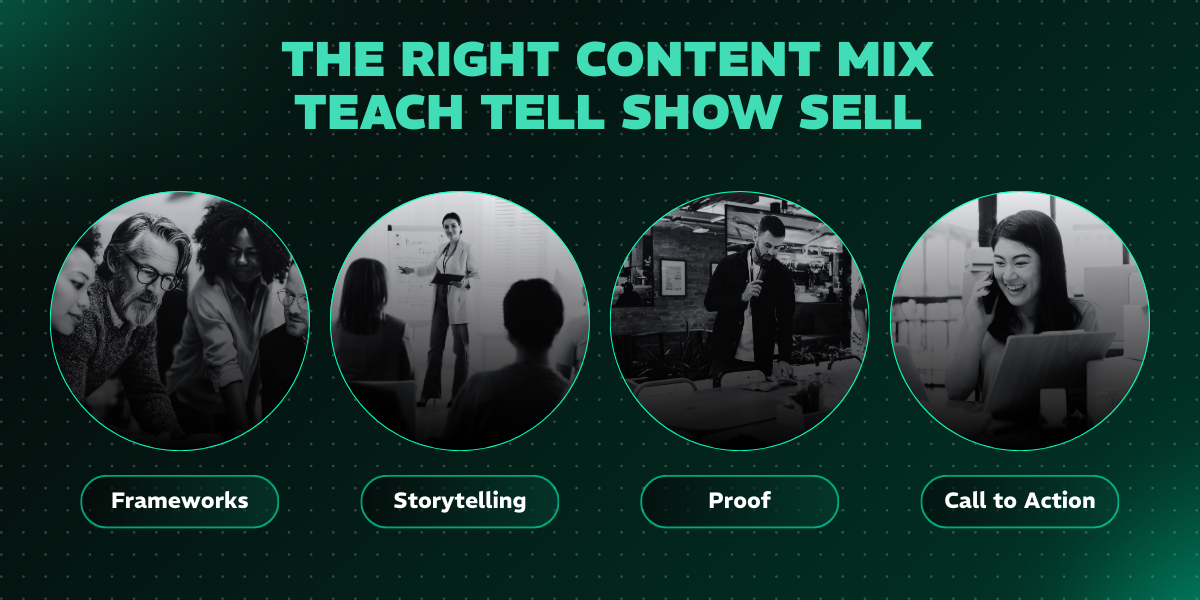
The most profitable personal brands use a balanced content approach.
The Four Part Formula
- Teach by sharing frameworks insights and practical advice
- Tell by sharing personal or client stories
- Show by displaying proof and behind the scenes moments
- Sell by giving clear and direct invitations when appropriate
A strong ratio is about 70% - 80% value and 20% - 30% invitations or offers.
People do not mind buying from you when you have already given value.
7. Identity Creates Demand: Make Your Brand Feel Like a Club
People want to join communities that reflect who they want to become. This is known as identity based motivation.
A personal brand that sells creates an identity people want to associate with.
How to Build Identity Into Your Brand
- Communicate a mission or belief
- Share your stance on industry issues
- Define clear values
- Speak to a specific type of person
- Celebrate wins from your audience or clients
Your brand should feel like a place where people naturally fit in.
Conclusion A Personal Brand That Sells Is Built on Science
A personal brand that sells is not luck. It is built through psychology, storytelling, proof, consistency, and strategic communication.
It aligns with how people make decisions. We trust what we know. We trust what we relate to. We trust what we see consistently delivering results.
The core takeaway
A personal brand that sells teaches proves and connects long before it asks for anything.
Build trust first. The sales will follow.
The Science Behind a Personal Brand That Sells
A personal brand is not just about being visible. It is about being valuable. It is the difference between being known and being known for something people want to buy, follow, or learn from.
Whether you are selling expertise, services, products, or simply your credibility as a leader, there is a repeatable, science backed formula behind a personal brand that converts attention into revenue and opportunity.
This article breaks down the psychology, strategies, and behavior patterns behind a personal brand that truly sells.
1. Why Personal Brands Sell The Psychology of Trust
Every sale whether a consulting contract, speaking gig, job offer, or partnership is driven by trust. And the science behind trust building is strong and clear.
Familiar / Credible / Relatable
These principles come from the Mere Exposure Effect and Social Proof Theory, two powerful drivers behind decision making.
What This Means for Your Personal Brand
If your brand is consistent and visible, your audience feels like they know you. When you share proof of results, stories, and insights, you build credibility. When you show personality, you build relatability.
A personal brand that sells is not a pitch. It is a relationship built over time.
2. Authority sells, but proof sells better.
Anyone can say they are an expert. A personal brand that sells shows it instead of saying it.
Ways to Demonstrate Authority
- Break down industry trends
- Share frameworks or practical how to steps
- Publish short case studies
- Explain lessons learned from real experience
- Share predictions and support them with evidence
Teaching always beats telling.
When you teach consistently, people start seeing you as a trusted authority. Trusted authorities do not need to push sales. Opportunity comes to them.
3. Stories Trigger Buying Behavior
People think in stories. Research from Stanford shows we remember stories far more than facts alone.
A personal brand that sells uses storytelling deliberately.
Types of Stories That Sell
- Origin stories that explain how you got where you are
- Client transformation stories
- Mistakes and lessons learned
- Behind the scenes stories that show your process
- Vision stories that communicate where you are going
People want to know why you care, what drives you, what problems you solve, and what transformation you create.
Stories activate emotion and emotion drives action.
4. Proof Is the Currency of Credibility
Nothing sells faster than proof. A personal brand with results behind it becomes instantly more convincing.
The Nielsen Global Trust Study found
• 70% of people trust recommendations from people they follow online
• 66% trust customer opinions posted online
• 56% trust experts who publish useful content
What Proof Looks Like
- Screenshots of wins or performance
- Before and after results
- Data from successful projects
- Client testimonials
- Media mentions
- Speaking invitations
- Growth metrics
This is not bragging. This is demonstrating value.
5. Consistency The Secret Sales Engine Most People Ignore
You cannot build familiarity or trust without consistency.
Consistency does not mean posting nonstop. It means showing up predictably.
Consistency Creates Three Things
- Familiarity people recognize your name
- Expectation people know what you share or provide
- Dependability people trust what you say
A strong personal brand is not built by going viral. It is built by showing up regularly with value that compounds over time.
Your audience will trust you, when they can find you.
6. The Right Content Mix Teach Tell Show Sell
The most profitable personal brands use a balanced content approach.
The Four Part Formula
- Teach by sharing frameworks insights and practical advice
- Tell by sharing personal or client stories
- Show by displaying proof and behind the scenes moments
- Sell by giving clear and direct invitations when appropriate
A strong ratio is about 70% - 80% value and 20% - 30% invitations or offers.
People do not mind buying from you when you have already given value.
7. Identity Creates Demand: Make Your Brand Feel Like a Club
People want to join communities that reflect who they want to become. This is known as identity based motivation.
A personal brand that sells creates an identity people want to associate with.
How to Build Identity Into Your Brand
- Communicate a mission or belief
- Share your stance on industry issues
- Define clear values
- Speak to a specific type of person
- Celebrate wins from your audience or clients
Your brand should feel like a place where people naturally fit in.
Conclusion A Personal Brand That Sells Is Built on Science
A personal brand that sells is not luck. It is built through psychology, storytelling, proof, consistency, and strategic communication.
It aligns with how people make decisions. We trust what we know. We trust what we relate to. We trust what we see consistently delivering results.
The core takeaway
A personal brand that sells teaches proves and connects long before it asks for anything.
Build trust first. The sales will follow.


